Hello!
Ric and I bought Hook Quay- a cottage and 30 acres of woodland and foreshore-in 2020.
We were thrilled to own and be surrounded by woodland as we both love trees, birds, all nature and the outdoors. We knew little about the woodland except that it is designated as a Site of Special Scientific Interest (SSSI), falls into the Pembrokeshire Coast National Park and that NRW regulate, advise and monitor the woodland. But that was about it. We assumed the wood would be very low maintenance and just ‘BE’!
At first, apart from beginning to understand our legal responsibilities as owners, the wood was simply a place I walked through, admired, and quietly appreciated. I think many of us feel that way about the green spaces around us—they’re just there, quietly doing their job, offering peace, shade, birdsong, and a sense of familiarity. But the more time I spent in the woodland, the more I started to notice small things that didn’t feel quite right. Trees that seemed stressed. Patches of ground where very little was growing. Fewer birds than I would expect. Small signs that All is not well.
Over the last few years, after many chats with Natural Resources Wales (NRW) and a fair amount of digging into why Hook Wood was originally designated as a Site of Special Scientific Interest, a picture began to emerge— one that was both fascinating and worrying. What I learned was that Hook Wood is not just a pleasant patch of trees; it’s an ecologically important woodland with rare plant communities and a long history. And right now, it’s a place in need of help.
Hence this project. We were thrilled to be granted funds from The TWIG The Woodland Improvement Grant to enable us to begin to manage the wood properly and to ensure its future.
Over the coming months and years, I’ll be working on a longterm plan to restore and support Hook Wood in a way that respects its history and protects its future. That means learning from ecologists, listening to NRW, and taking a thoughtful, evidencebased approach. It also means being open and transparent about what’s happening in the wood—sharing updates, photos, survey findings, successes, and challenges with our community.
Our goal isn’t just to “manage” the woodland in a traditional sense. It’s to understand it. To learn how it functions, what it needs, which parts are thriving, and which parts are struggling. And most importantly, to make sure this isn’t a solitary process. Hook Wood belongs, in spirit, to the whole community, and I believe its future should be shaped with the community as well.
One of the first things I have learned is that woodlands don’t decline all at once. The changes are subtle—shifts in the understorey, a loss of natural regeneration, a steady creep of invasive species, the absence of certain insects or birds that depend on very specific conditions.
In Hook Wood, some of those early indicators are already here. In a few areas, young native trees simply aren’t coming through the way they should. Some plant species that gave the woodland its SSSI status have become harder to find. Certain glades that once supported a range of wildflowers especially bluebells have slowly been shaded out. And above it all, climate change is adding pressure—warmer winters, drier spells, heavier rains, the kind of unpredictable pattern that trees find difficult to adapt to.
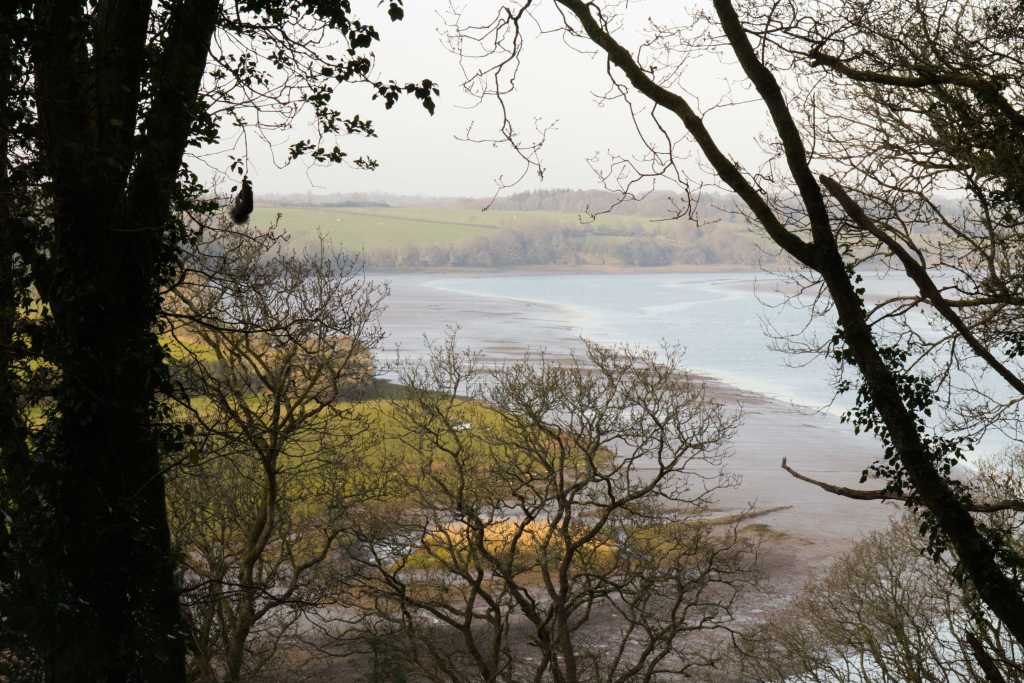
But woodlands are resilient, and Hook Wood has so much life in it still. The canopy is home to bats, owls, and small mammals. The springtime ground flora is still beautiful in places. And there are many beautiful, strong sessile oak trees,
I want the local community to feel not only welcome but genuinely involved. Whether you walk your dog here, run through it, explore it with your children, or simply appreciate knowing it exists, your connection to the woodland matters.
There will be opportunities to help with practical conservation days, guided walks, seasonal surveys. We will also be hosting our local school children for Forest School sessions. And there will also be quieter ways to take part: sharing memories of the wood, reporting wildlife sightings, or simply following along and staying informed.
My hope is that this website and blog become a space where I can document what’s happening on the ground, explain the choices being made, talk honestly about the state of the woodland, and hopefully spark a shared sense of stewardship.
Starting this project has already been and continues to be a steep learning curve but, with the help of some amazing people in our community and a bank of passionate specialists, we are confident that we can make a difference and ensure that Hook Wood will thrive into the future.
When a woodland is cared for by many hands and many hearts, it has a much better chance of thriving for generations to come.
 Hook Wood